The turmoil of 2024 and 2025 will go down in history as a period of political upheaval. Yet, in the shadow of power-political chaos, something new emerged: digital popular culture and street activism fused into a single, inseparable entity.
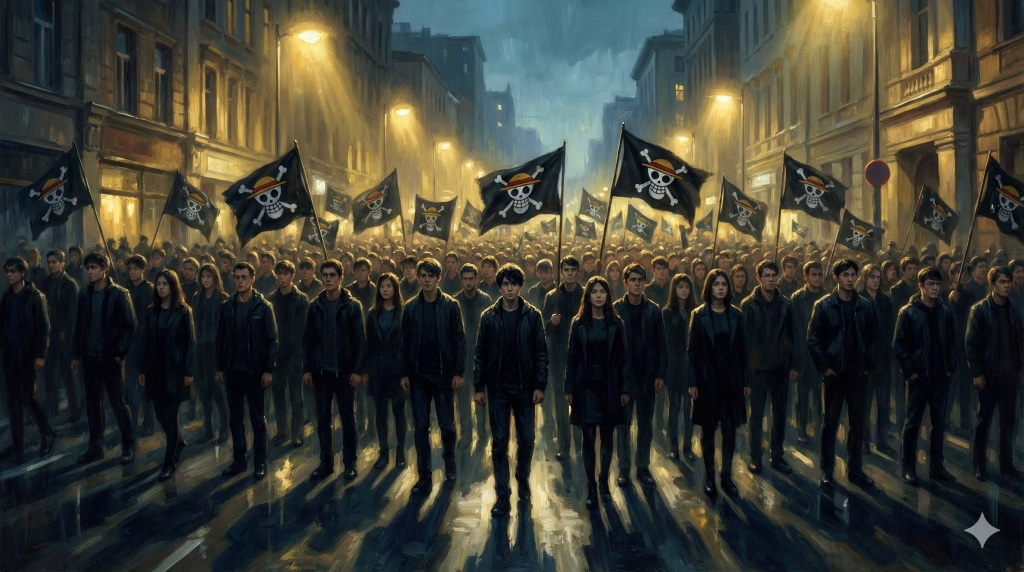
Gen Z protests—from Indonesia to Bolivia and Nepal to Madagascar—shared not only a common enemy (corruption and hopelessness) but also a common visual language propagated by algorithms: the straw-hatted Jolly Roger familiar from the series One Piece.
This phenomenon offers a compelling perspective on modern internet culture, where fictional narratives transform into real-world political power and where algorithms function as the invisible nervous system of resistance.
Symbolism: The Skull as an Image of Freedom and Joyful Rebellion
In internet culture, symbols are currency, and the “Straw Hat Pirates” skull flag from One Piece has emerged as Gen Z’s global reserve currency.
Traditionally, a skull has signaled danger, but in this new digital context, its meaning has been flipped on its head.
Why does this specific symbol work so well in the global information network?
- Universal Language: One Piece is the world’s most popular manga series. The flag is understood immediately without translation or explanation, whether in Tokyo or La Paz. It transcends language barriers in a way traditional political slogans cannot.
- Political Non-alignment: The flag represents neither the left nor the right, but an “alliance of outcasts” and freedom. It allows for the formation of a broad front across traditional party lines.
- Narrative Depth: The symbol carries the story of Joy Boy—a mythical figure who brings joy and freedom to the oppressed. When a protester dons a straw hat, they are not just protesting; they are stepping into a “Great Narrative” where a small group challenges an overwhelming and corrupt “World Government.”
One Piece symbolism has shifted the aesthetics of protest from grim resistance to a kind of “festival of freedom,” resonating with the series’ “Drums of Liberation.”
The Power of Algorithms: “Algorithmic Solidarity”
If the straw hat is the face of the movement, algorithms are its circulatory system. “Algorithmic solidarity” is a new method by which social consciousness spreads:
- Immediate Global Diffusion: When an Indonesian student uploaded a video of a burning parliament building to TikTok, recommendation algorithms did not limit it to local distribution. They recognized the content’s potential and immediately fed it to the feeds of Moroccan, Bulgarian, and Bolivian youth.
- Emotional Synchronization: Algorithms favor content that evokes strong reactions. This created a situation where local pain transformed into a shared global experience. Even though protesters in Kathmandu spoke Nepali and those in La Paz spoke Spanish, the flags they waved spoke the same language.
- Circumventing Censorship: When the Nepalese government tried to stifle protests by banning TikTok and Facebook (“digital blackout”), the youth migrated to Discord and other platforms popular in gaming communities. An algorithmic network is decentralized; cutting one node does not stop the flow of the message.
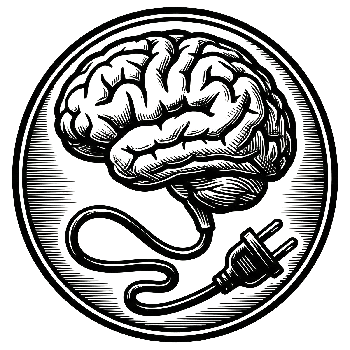
The report uses a fitting metaphor: Gen Z’s “spine” is no longer ideology, but digital connection—the electric wire and the socket. When governments try to “pull the plug,” the reaction is furious because the censorship attempt is perceived as severing a vital connection to the collective brain.
Fiction Bleeds into Reality: Case Studies
The blend of digital culture and realpolitik we have witnessed has led to concrete revolutions:
- Nepal: Protesters breached the administrative palace with One Piece flags flying and ousted the Prime Minister, replacing him with an anti-corruption judge.
- Madagascar: The symbolism was localized: the anime straw hat was replaced by the local satroka hat. This “Malagasy variant” eventually led to army intervention and the ousting of the president.
- Indonesia: The “Emergency Warning” protests (Peringatan Darurat) utilized pirate imagery to oppose political dynasties, which were compared to the series’ aristocratic oppressors (“Celestial Dragons”).
Conclusion: A New Political Reality
The study demonstrates that this is not merely an internet phenomenon, but a profound shift in values. Gen Z has rejected hierarchical organizations and adopted a horizontal, networked mode of operation.
Algorithms have enabled a fictional story of freedom to become a force more real and unifying than any traditional political ideology. The digital generation stopped asking and started demanding. That demand was wrapped in a yellow straw hat.