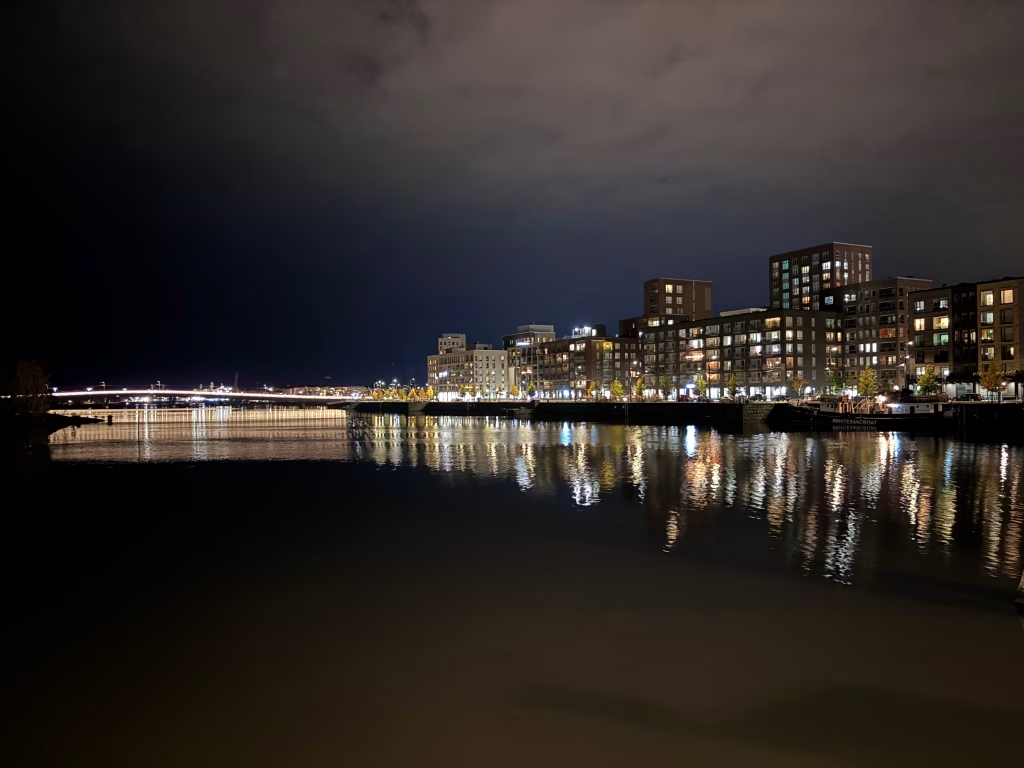
The polar night is a double-edged phenomenon. It increases vulnerability to low mood and fatigue, yet at its best it offers a chance to slow down, focus, and rest. Research supports the idea that beyond environmental factors, our own mindset influences whether the dark season feels more like a threat or an opportunity.
Permission to slow down, recover, and focus
Short days, constant dusk, and long dark evenings provide a natural reason to pause. The polar night can offer a chance to ease off the accelerator: fewer stimuli and less external rush make everyday life calmer.
Research does not deny the negative effects of reduced daylight, but psychologists also emphasise the importance of attitude — winter can be shaped into a deliberate period of recovery.
A quieter season can also create ideal conditions for work that requires concentration. When external distractions diminish, it becomes easier to immerse oneself in writing, crafts, or other focused activities.
This is not just an everyday observation: researchers have measured seasonal variation in brain alertness depending on the time of year. A naturally slower rhythm, shaped by environmental factors, can have a positive effect on working memory and attention.
A season for creativity and ritual
The dark months challenge us to create meaning in everyday life. Many familiar cultural habits become sources of creativity and well-being: candlelight, warm drinks, cosy moments together, or artistic projects.
Nordic studies show how simple domestic rituals can increase subjective well-being.
Winter nature is special
Although reduced sunlight is known to affect mood, winter’s quiet landscapes have their own therapeutic dimension. Studies show that viewing a snowy forest scene can promote relaxation and increase mental calm.
Outdoor activity has also been linked to a reduced risk of depression — especially when done together with others.